Twenty-five years ago, I stumbled onto something that changed everything. Not a supplement. Not a diet plan. Not a program with a 30-day guarantee. I discovered that the ancient practice of fasting, the same discipline practiced by monks, mystics, and warriors for thousands of years, was the single most powerful tool available to the human body. And one specific rhythm, done once a week, unlocked everything.
I call it the Monk Fast. It is the core of the Fast & Feast Ultimate Lifestyle. Everything else: the 16:8 daily window, the feast-day eating, the mindset work, orbits around this one weekly practice. If you do nothing else from this system, do this.
What Is the Monk Fast?
The Monk Fast is a 36-hour complete fast, performed once per week. No food. No calories. Just water, black coffee, plain tea, and electrolytes. You eat dinner, go to sleep, live an entire day in the fasted state, sleep again, and break the fast at breakfast the following morning.
That's it. One day a week. Thirty-six hours. And what happens inside your body during that window is nothing short of extraordinary.
The Exact Protocol
Here is how the Monk Fast works in practice. Choose a day that makes sense for your weekly rhythm. Sunday into Monday works well for most people, or Friday into Saturday if your weekends are slower.
- Finish dinner as normal. No special last meal required. Eat well, eat what you enjoy, and finish by 7–8pm. This is your last meal for 36 hours.
- Sleep. Your body begins the deep work during sleep, glycogen depletion, hormonal recalibration, early-stage autophagy. You're already fasting while you rest.
- Live the fast day with intention. The next full day is your fast day. Drink water, black coffee, or plain tea freely. Stay active, a walk, light movement, or your normal routine. Do not hide from the day. The discipline is the point.
- Sleep again. By the time you go to sleep on your fast day, your body has entered deep autophagy, peak fat oxidation, and elevated ketone production. Your mind will feel different, sharper, quieter, more focused. This is the monk state.
- Break the fast gently. The next morning, break the fast with something light: bone broth, eggs, a piece of fruit. Give your digestive system 20 minutes before eating a full meal. Then feast. You've earned it.
Why 36 Hours? The Science Behind the Window
The human body operates in cycles. In the fed state, it burns glucose, stores fat, and runs on insulin. The moment you stop eating, a metabolic shift begins. Here is what happens hour by hour during the Monk Fast:
| Hours Fasted | What's Happening |
|---|---|
| 0–12 hrs | Digestion completes. Insulin drops. Glycogen stores begin depleting. The body starts transitioning toward fat as fuel. |
| 12–18 hrs | Glycogen largely depleted. Fat oxidation accelerates. Growth hormone begins rising. Early autophagy initiates. |
| 18–24 hrs | Ketone production increases significantly. Mental clarity sharpens. Autophagy is now active across most tissues. |
| 24–36 hrs | Deep autophagy, your body aggressively recycles damaged cells. Growth hormone peaks. Fat burning is maximized. This is the monk state. |
The 16-hour daily fast gets you to the door. The Monk Fast opens it completely. The most profound biological benefits, cellular autophagy, peak fat oxidation, neurological regeneration, are concentrated in that 24–36 hour window. This is why once a week changes everything.
Why "The Monk Fast"?
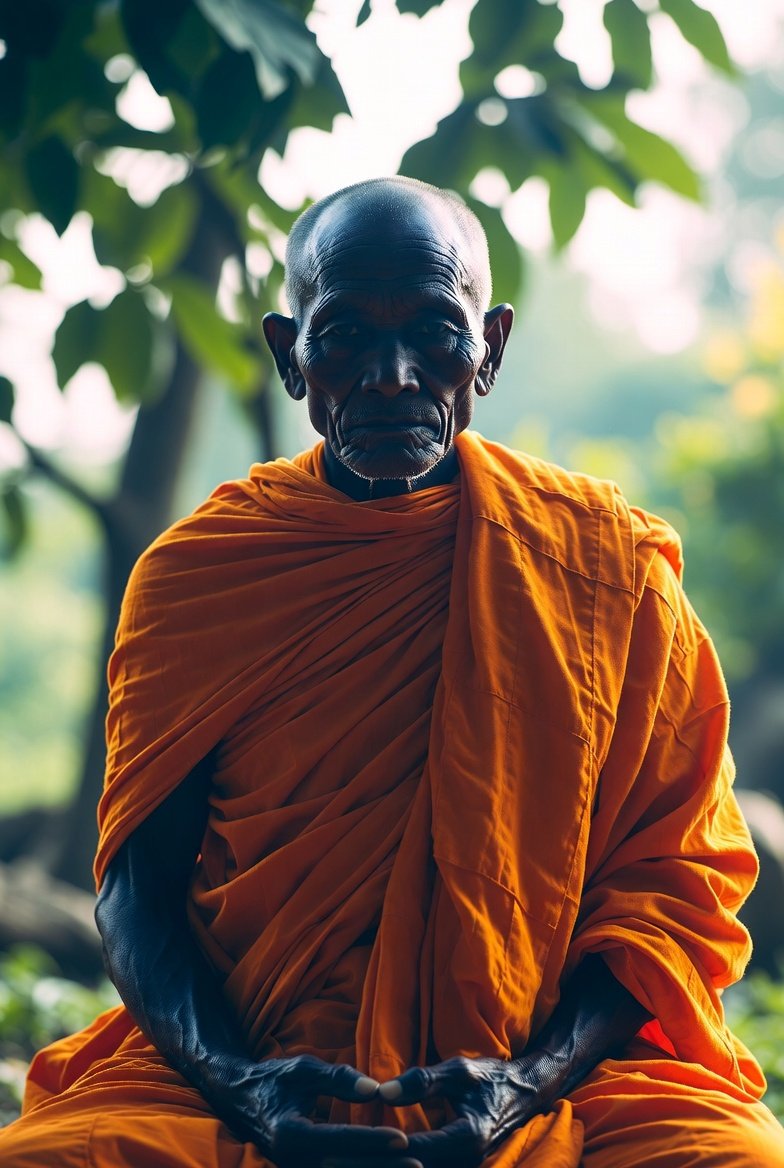
Monks have practiced extended fasting for thousands of years across nearly every spiritual tradition, Buddhist, Christian, Islamic, Jewish, Hindu. This was not coincidence. It was observation. They noticed what the fasted state did to the mind: the stillness, the focus, the sense of clarity and presence that arrived when food was removed.
Modern science has now caught up with what monks understood intuitively. The fasted brain runs on ketones, a cleaner, more efficient fuel than glucose. Inflammatory markers drop. Cortisol normalizes. The noise that fills the fed mind, the restlessness, the hunger-driven distraction, the low-grade mental fog, falls away. What remains is something monks called clarity and neuroscientists now call peak cognitive function.
The Monk Fast is not named for deprivation. It is named for the state it produces.
Free Download
Get the Fast & Feast Starter Guide
The 7-day jumpstart plan, fasting schedules, and feast-day meal ideas, delivered instantly.
How the Monk Fast Fits Into the Full System
The Fast & Feast lifestyle is built in layers. The Monk Fast is the foundation. Everything else is built on top of it.
On your six non-fasting days, you practice the 16:8 daily window, eating within an 8-hour window and fasting for 16. This keeps your metabolic machinery primed and your insulin sensitivity high. Then once a week, the Monk Fast comes in and does the deep work: cellular cleanup, full metabolic reset, hormonal recalibration.
Think of the 16:8 as your daily training and the Monk Fast as your weekly transformation. One maintains. The other evolves you.
What to Expect When You Start
The first Monk Fast is the hardest. That is not pessimism, it is preparation. Your body has likely never gone 36 hours without food, and it will protest. Hunger waves will come. Your brain will negotiate. "Just one snack." "I'll start next week." "This doesn't feel right."
Ignore it. Hunger is not an emergency. It is a signal, and like all signals, it passes. Most people find that hunger during a Monk Fast peaks around the 18-hour mark and then recedes significantly. By hour 24, many practitioners report that hunger disappears almost entirely and is replaced by the clarity and energy of the ketone state.
By your third or fourth Monk Fast, the protocol will feel natural. By your tenth, you will look forward to it.
Who should approach fasting with caution: Extended fasting is not recommended for individuals who are pregnant or breastfeeding, under 18, or managing Type 1 diabetes, eating disorders, or certain cardiovascular conditions. If you take prescription medications or have any underlying health concerns, consult your physician before beginning any fasting protocol. The Fast & Feast book includes full medical guidance on this topic.
The Fast & Feast Advantage
The Monk Fast is the reason the Fast & Feast lifestyle is not a diet. Diets end. Diets fail. Diets ask you to count, restrict, and white-knuckle your way through every meal. The Monk Fast asks you to do one hard thing, once a week, for the rest of your life, and then eat freely and joyfully the other six days.
That is a trade most people can make. And when they do, when they commit to the weekly rhythm, the results are not temporary. They are permanent. Body composition changes. Mental clarity becomes the baseline. The relationship with food shifts from anxiety to intention. You stop eating mindlessly and start feasting deliberately.
That is the lifestyle. One weekly fast. Six days of feast. For life.
Get the Complete Monk Fast Blueprint
The Fast & Feast Ultimate Lifestyle book covers the full Monk Fast protocol, including how to prepare, how to break the fast, how to structure your feast days, and how to build this into a lifelong practice.
Get the BookFrequently Asked Questions About the Monk Fast
What is the Monk Fast?
The Monk Fast is a 36-hour weekly fast, the cornerstone of the Fast & Feast Ultimate Lifestyle. You stop eating after dinner one evening, fast through the entire next day, and break the fast at breakfast the following morning. It is performed once per week, every week.
How long is the Monk Fast exactly?
Approximately 36 hours. If you finish dinner at 7pm Sunday, you fast all day Monday and break the fast at 7am Tuesday. The exact window will vary slightly based on your schedule, but the goal is one full waking day in the fasted state, bookended by two nights of sleep.
What can you drink during the Monk Fast?
Water, black coffee, plain tea (green, herbal, or black), and electrolyte supplements without added sugar or calories. Nothing that triggers an insulin response. Staying well-hydrated is essential, aim for more water than you think you need.
How do you break the Monk Fast?
Break gently. Start with bone broth, a small piece of fruit, or eggs. Give your digestive system 20–30 minutes before eating a full meal. Your gut has been resting for 36 hours, ease it back into action before you feast.
Is the Monk Fast the same as God Mode fasting?
Yes. In the Fast & Feast system, the Monk Fast and God Mode refer to the same 36-hour weekly protocol. God Mode describes the peak cognitive and physical state your body reaches during the fast. Monk Fast describes the practice itself, its rhythm, its discipline, and its deeper intention.